
- EPM and Lyme Disease are distinct equine illnesses.
- EPM is caused by protozoa, Lyme by bacteria.
- Both conditions require veterinary diagnosis.
- Early detection improves treatment outcomes.
- Preventative measures are essential for both.
Understanding EPM and Lyme Disease in Horses
Equine Protozoal Myeloencephalitis (EPM) and Lyme Disease are two distinct neurological conditions that affect horses. While both can cause severe symptoms, they are caused by different pathogens and have unique treatment protocols. Understanding the differences is crucial for effective diagnosis and treatment.
What Causes EPM in Horses?
EPM is primarily caused by the protozoan parasite Sarcocystis neurona. Horses become infected when they ingest sporocysts from contaminated food or water, often due to opossum feces. The parasite then migrates to the central nervous system, causing neurological damage.
How Does Lyme Disease Affect Horses?
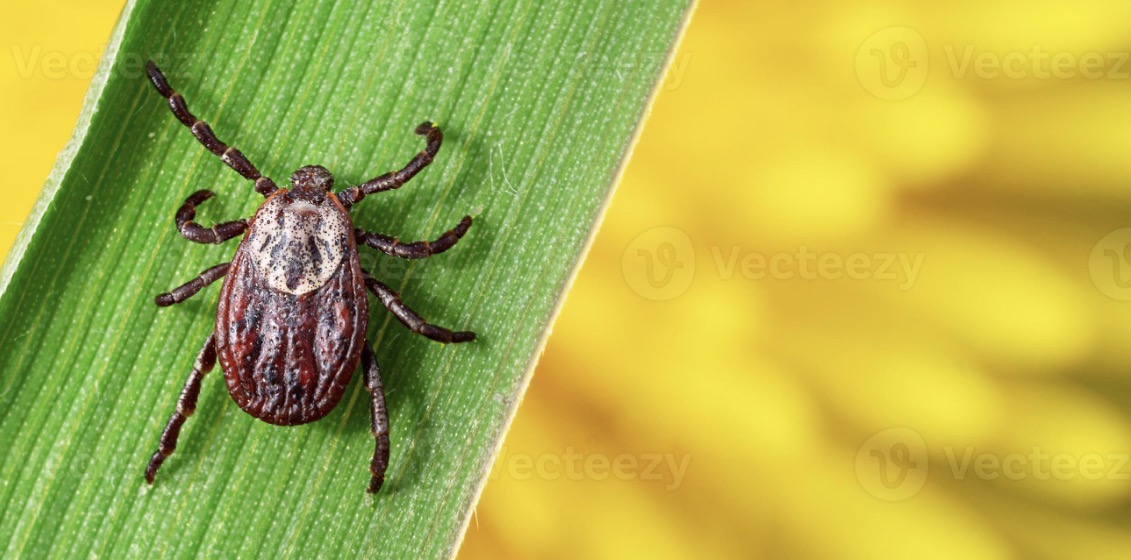
Lyme Disease is caused by the bacterium Borrelia burgdorferi, transmitted through tick bites. Unlike EPM, Lyme Disease is not contagious and typically presents with lameness, joint swelling, and neurological signs such as ataxia.
What Are the Symptoms of EPM and Lyme Disease?
EPM symptoms include muscle atrophy, incoordination, and neurological deficits. Lyme Disease symptoms can overlap but often include fever, lethargy, and joint stiffness. Early recognition of these symptoms is vital for both conditions.
How Are EPM and Lyme Disease Diagnosed?
Diagnosis of EPM involves a combination of clinical evaluation, blood tests, and cerebrospinal fluid analysis. Lyme Disease is typically diagnosed through blood tests that detect antibodies against the bacterium. Accurate diagnosis is essential to differentiate between these two illnesses.
What Are the Treatment Options?
Treatment for EPM includes antiprotozoal drugs, anti-inflammatory medications, and supportive care. Lyme Disease is usually treated with antibiotics and supportive therapies. Both conditions benefit from early intervention, which can significantly improve the prognosis.
How Can You Prevent EPM and Lyme Disease?
Preventative measures include managing wildlife exposure to reduce the risk of EPM and using tick control strategies to prevent Lyme Disease. Regular veterinary check-ups and prompt attention to symptoms can also help mitigate risks.
FAQ
-
What are the symptoms of EPM in horses?
- Horses with EPM may show signs of muscle atrophy, incoordination, and neurological deficits.
-
How is Lyme Disease diagnosed in horses?
- Lyme Disease in horses is often diagnosed through clinical signs and blood tests.
-
Can EPM and Lyme Disease be treated?
- Yes, both conditions are treatable with appropriate veterinary care and medication.
-
What causes EPM in horses?
- EPM is caused by the protozoa Sarcocystis neurona, often spread by opossums.
-
Is Lyme Disease contagious among horses?
- No, Lyme Disease is not contagious and is transmitted through tick bites.
By understanding the differences and similarities between EPM and Lyme Disease in horses, horse owners can ensure timely veterinary care and implement effective preventive strategies. Consult with Daniel Equine Services for expert advice and comprehensive care to keep your horses healthy and thriving.
Early diagnosis is critical for managing both EPM and Lyme Disease in horses.
Frequently Asked Questions
What are the symptoms of EPM in horses?
Horses with EPM may show signs of muscle atrophy, incoordination, and neurological deficits.
How is Lyme Disease diagnosed in horses?
Lyme Disease in horses is often diagnosed through clinical signs and blood tests.
Can EPM and Lyme Disease be treated?
Yes, both conditions are treatable with appropriate veterinary care and medication.
What causes EPM in horses?
EPM is caused by the protozoa Sarcocystis neurona, often spread by opossums.
Is Lyme Disease contagious among horses?
No, Lyme Disease is not contagious and is transmitted through tick bites.