Featured
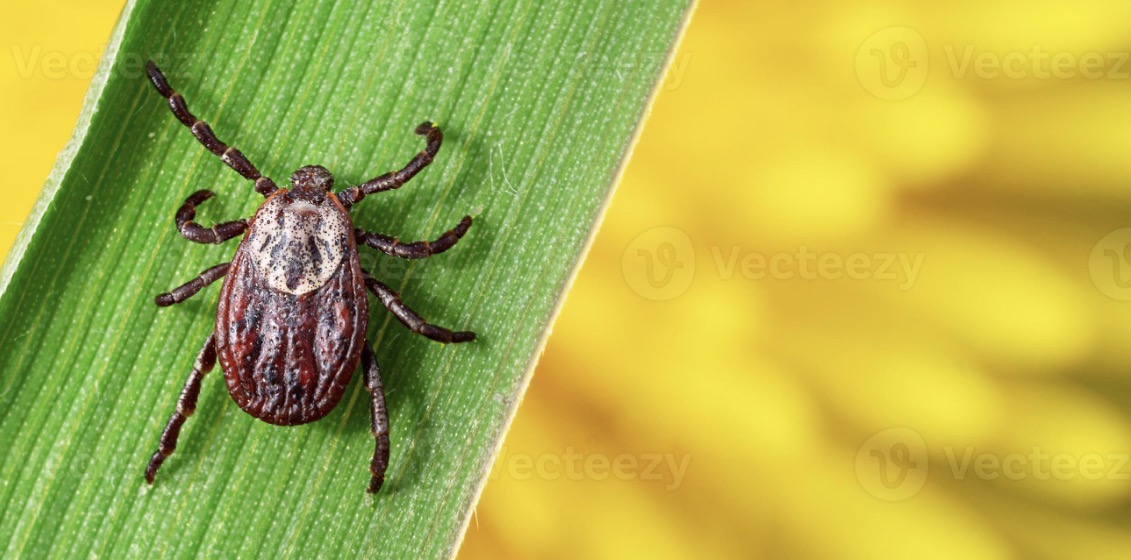
Education Understanding EPM and Lyme Disease in Horses
Learn the differences between EPM and Lyme Disease in horses, crucial for effective treatment.

Clinical guidance on equine health, lameness, sports medicine, and rehabilitation from Daniel Equine Services.
Learn the differences between EPM and Lyme Disease in horses, crucial for effective treatment.
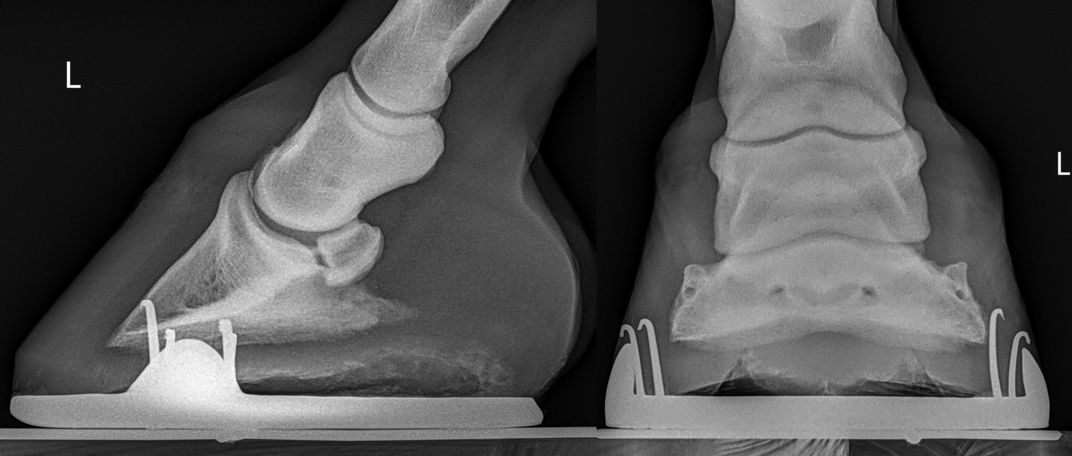
Repeated soreness after hoof trimming may sometimes relate to insulin dysregulation. Learn how metabolism affects foot sensitivity in horses.
A clear, veterinarian-written guide to Equine Protozoal Myeloencephalitis (EPM). Learn causes, signs, diagnosis, treatment, and prevention based on ACVIM consensus guidelines.

Equine Research Study - Daniel Equine Services invites you to participate in a cutting-edge research study to improve equine spine diagnostics and digital body measurement tools.
FES as a Diagnostic Tool for Sacroiliac Pain in Sport Horses | Daniel Equine - FES and Sacroiliac Pain: A Diagnostic Aid for Hind-End Lameness Sacroiliac (SI) joint pain is a challenging cause of poor performance to diagnose in sport Learn how Functional Electrical Stimulation (FES) can help identify sacroiliac (SI) pain in performance horses. FES reveals asymmetry and poor muscle function often linked to hind-end discomfort.
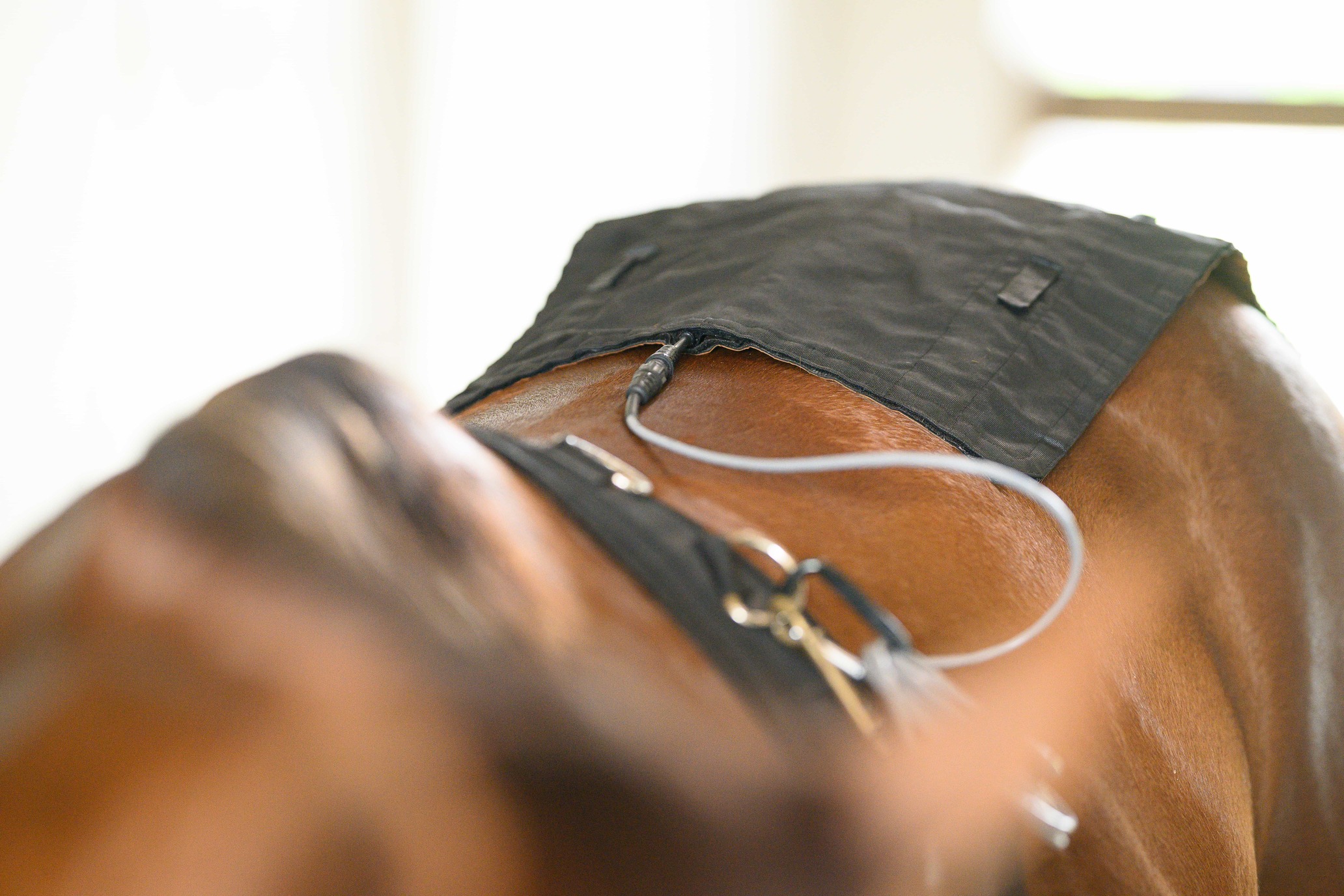
FES as a Diagnostic Tool for Sacroiliac Pain in Sport Horses | Daniel Equine - FES and Sacroiliac Pain: A Diagnostic Aid for Hind-End Lameness Sacroiliac (SI) joint pain is a challenging cause of poor performance to diagnose in sport Learn how Functional Electrical Stimulation (FES) can help identify sacroiliac (SI) pain in performance horses. FES reveals asymmetry and poor muscle function often linked to hind-end discomfort.
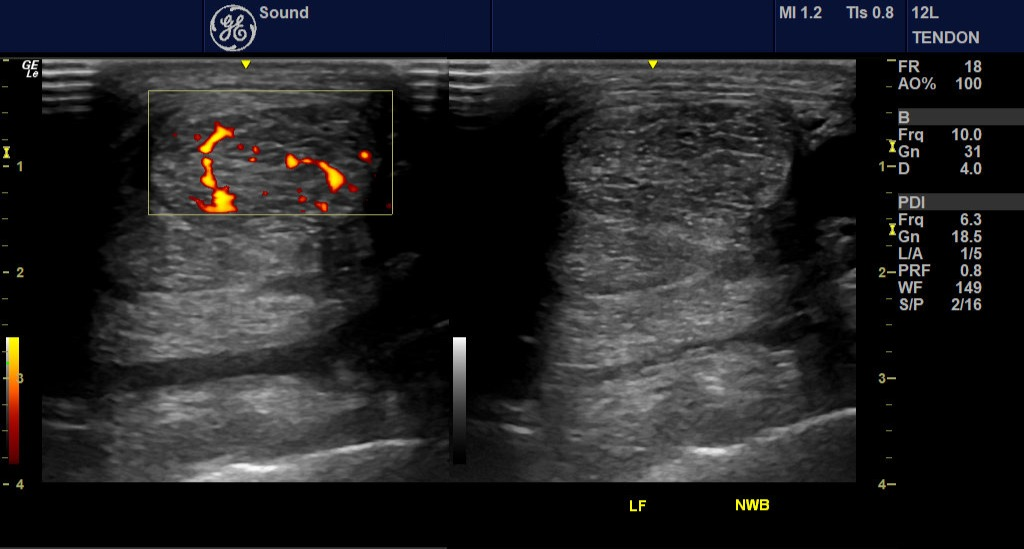
Ultrasound with Doppler: What’s the Difference and Why It Matters in Lameness Exams| Daniel Equine - Ultrasound with Doppler: What’s the Difference and Why It Matters in Lameness Exams Ultrasound is one of the most valuable tools we have in equine sports Learn how Doppler ultrasound enhances soft tissue imaging in horses. Compare standard ultrasound vs Doppler for diagnosing tendon injuries and guiding treatment.
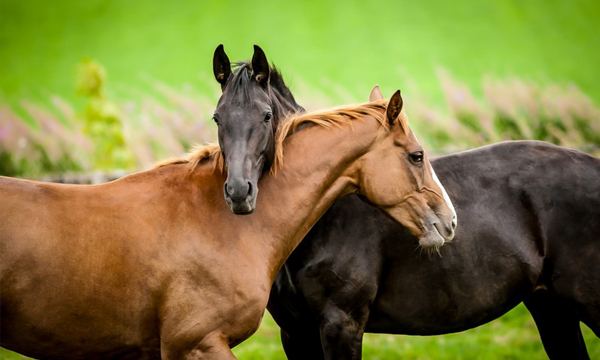
Learn the difference between TRH stimulation and baseline ACTH testing for diagnosing Cushing's (PPID) in horses. Early detection is key, especially in performance horses. Serving Wellington and Ocala.
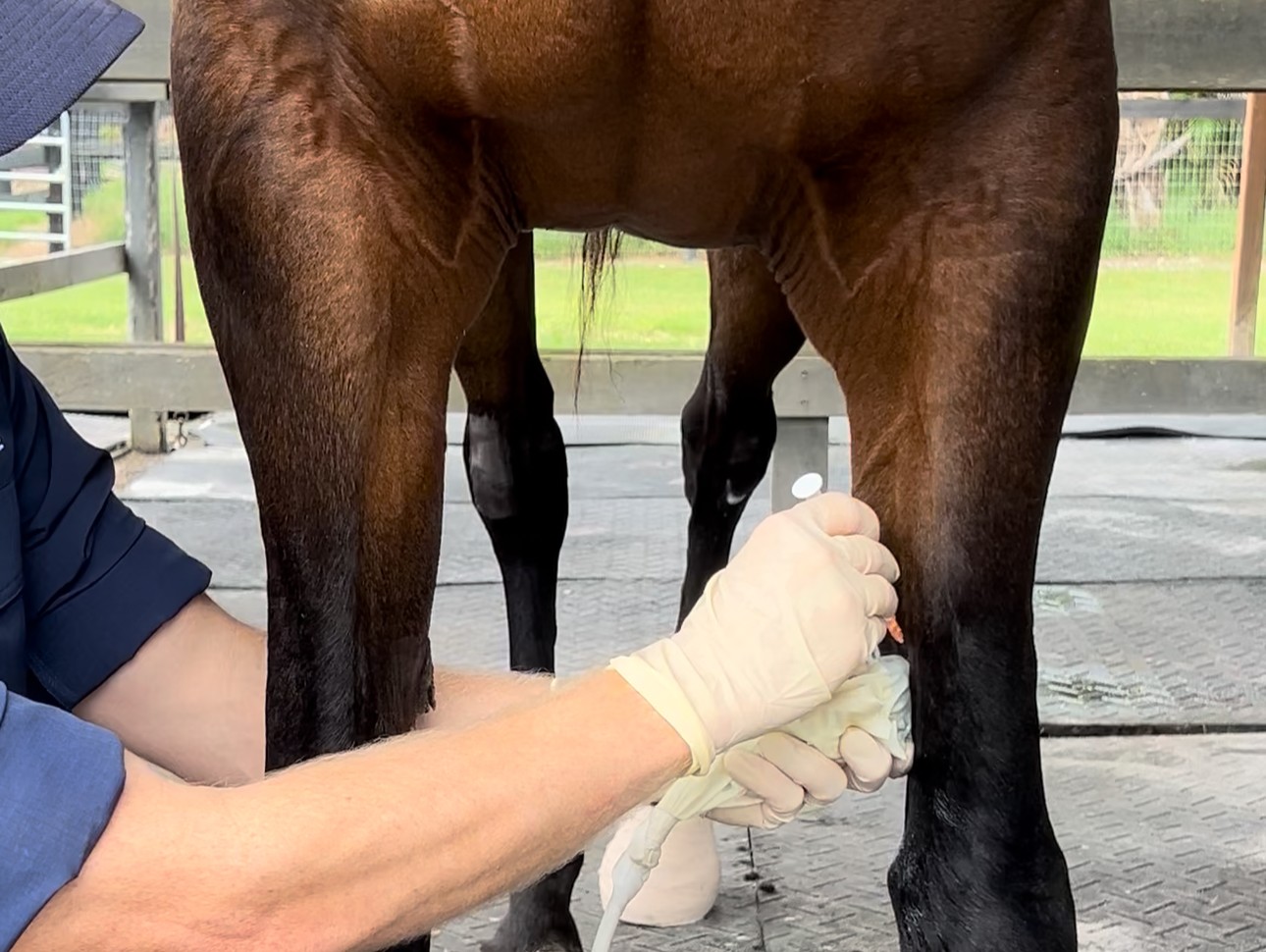
Explore the difference between arterial and local stem cell injections in sport horses. Learn how both methods support injury recovery, based on UC Davis research and clinical success.
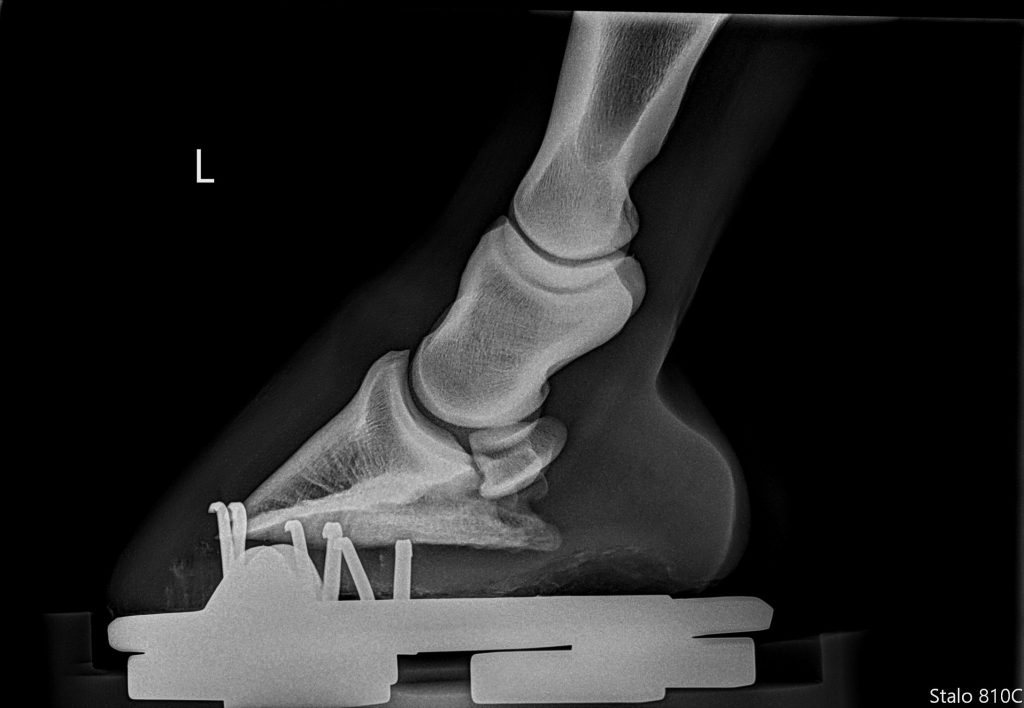
Negative plantar angles in horses can cause poor performance, back pain, and hindlimb lameness. Learn how early diagnosis with imaging helps manage this issue. Serving Wellington and Ocala.
Oral Sugar Test vs. Baseline Insulin for Equine Metabolic Syndrome | Daniel Equine - Diagnosing Equine Metabolic Syndrome: Oral Sugar Test vs. Baseline Insulin Equine Metabolic Syndrome (EMS) is a complex and increasingly common condition Learn the key differences between the Oral Sugar Test and Baseline Insulin when diagnosing Equine Metabolic Syndrome (EMS). Early detection helps prevent laminitis. Serving Wellington and Ocala.
A practical guide to managing joint disease in performance horses — from early detection to long-term maintenance.
A guide to equine joint injections — when they're appropriate, what products are used, and realistic expectations.
An overview of navicular syndrome — what it is, how it's diagnosed, and current management options.
How extracorporeal shockwave therapy works, what it treats, and what to expect from treatment.
Why regular dental exams matter for performance horses and what a proper dental evaluation includes.
How proper rehabilitation after surgery impacts outcomes, and what a structured recovery program looks like.
Understanding common upper airway conditions in horses and the surgical options available to address them.
What causes lameness in horses, how it's diagnosed, and what owners should know about the diagnostic process.
A guide to recognizing veterinary emergencies in horses and when to call for immediate help.
A guide to modern regenerative therapies used in equine sports medicine, how they work, and when they're appropriate.
An overview of arthroscopic surgery in horses — what it treats, the procedure, recovery expectations, and outcomes.
Diagnosis, treatment, and prognosis for suspensory ligament injuries — one of the most common soft tissue injuries in equine athletes.
A comprehensive guide to the equine pre-purchase examination process, what's included, and how to interpret findings.
A veterinary perspective on getting your horse ready for competition season in Wellington, FL.
What to look for in an equine veterinarian and how to build a productive veterinary relationship.
5 Reasons To Use Laser Therapy For Your Horse - As horses age, they may begin to experience arthritis pain, which can greatly impact their quality of life. Fortunately, there are several treatments 5 reasons to use laser therapy in your horse. Daniel Equine uses the Smart RLT laser which is customized and optimized for horses.
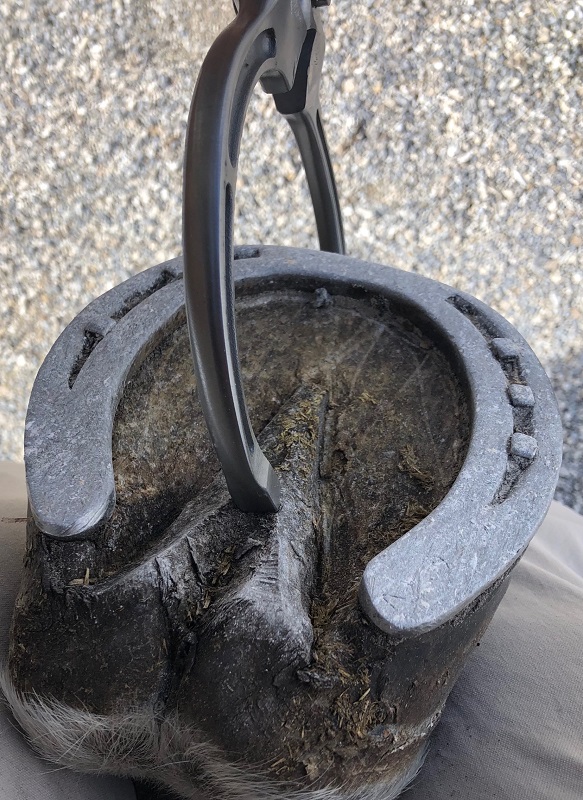
What is a flexion test? - Flexion testing is an important diagnostic tool used to identify lameness in horses. It involves the manipulation of a joint in the horse's leg to assess
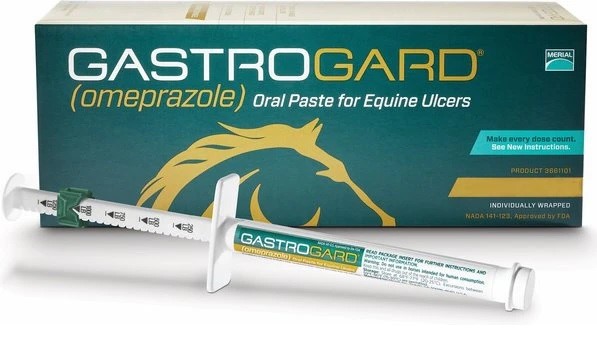
What is Gastrogard? - Horses are prone to several health issues, one of which is gastric ulcers. Gastric ulcers are a painful condition that affects the stomach lining of Horses are prone to several health issues, one of which is gastric ulcers.
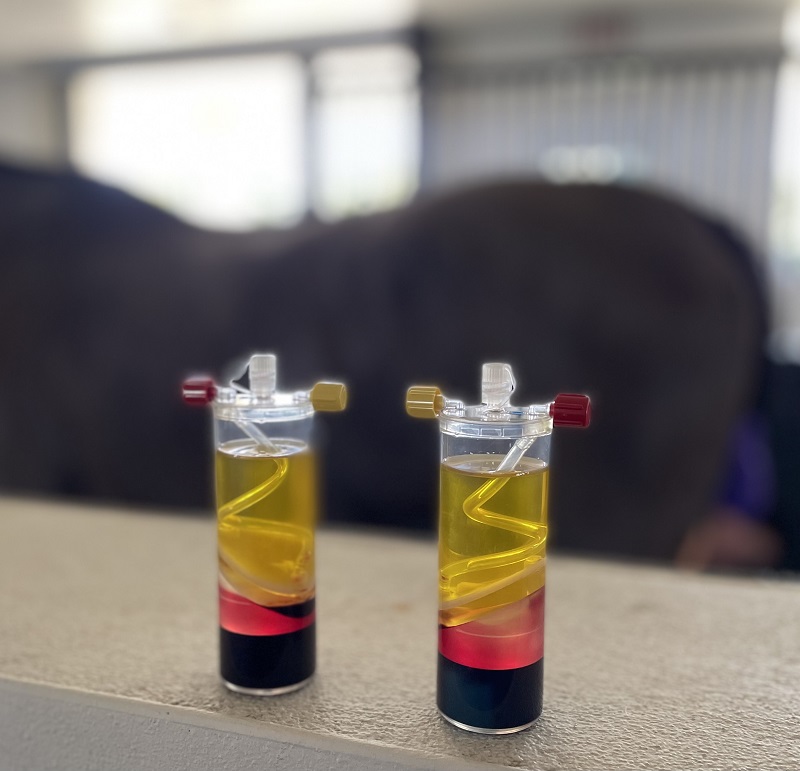
What’s the difference between PRP and Prostride? - Horse lameness is a common condition that can affect horses of all ages, breeds, and disciplines. It can be caused by a wide range of factors such as
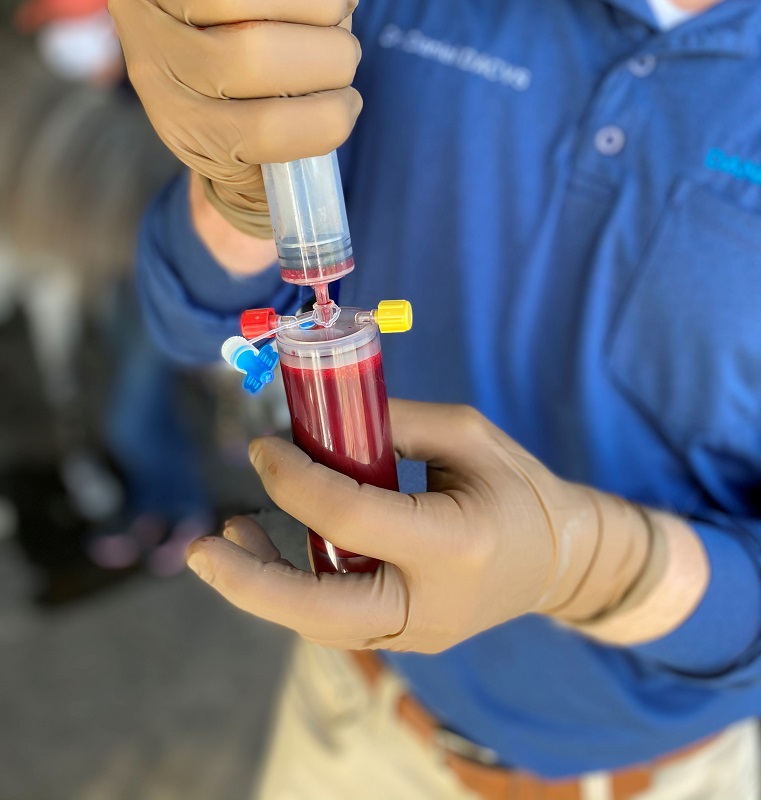
PRP vs Prostride vs IRAP - Horse lameness is a common problem among horse owners and trainers. It can affect horses of all ages and disciplines, and can be caused by a variety of
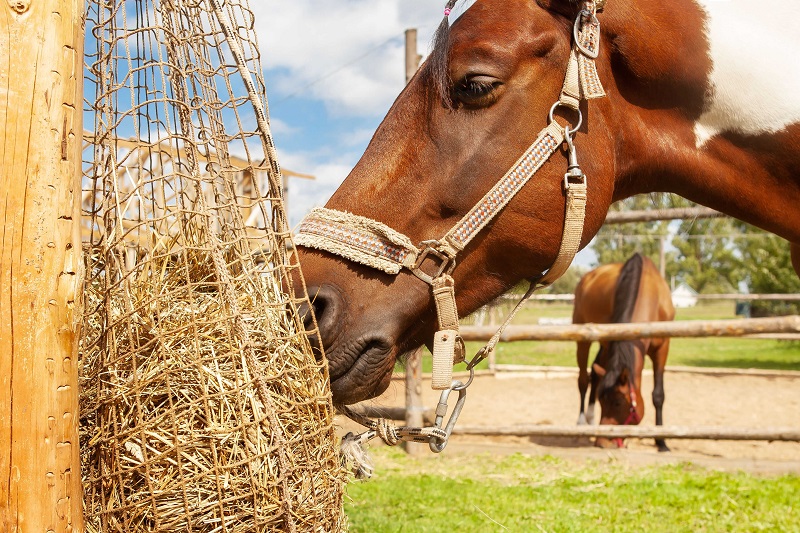
Why soak your horses hay? - Hay is a primary source of nutrition for horses, providing them with the necessary fiber, vitamins, and minerals. However, hay can sometimes be high in
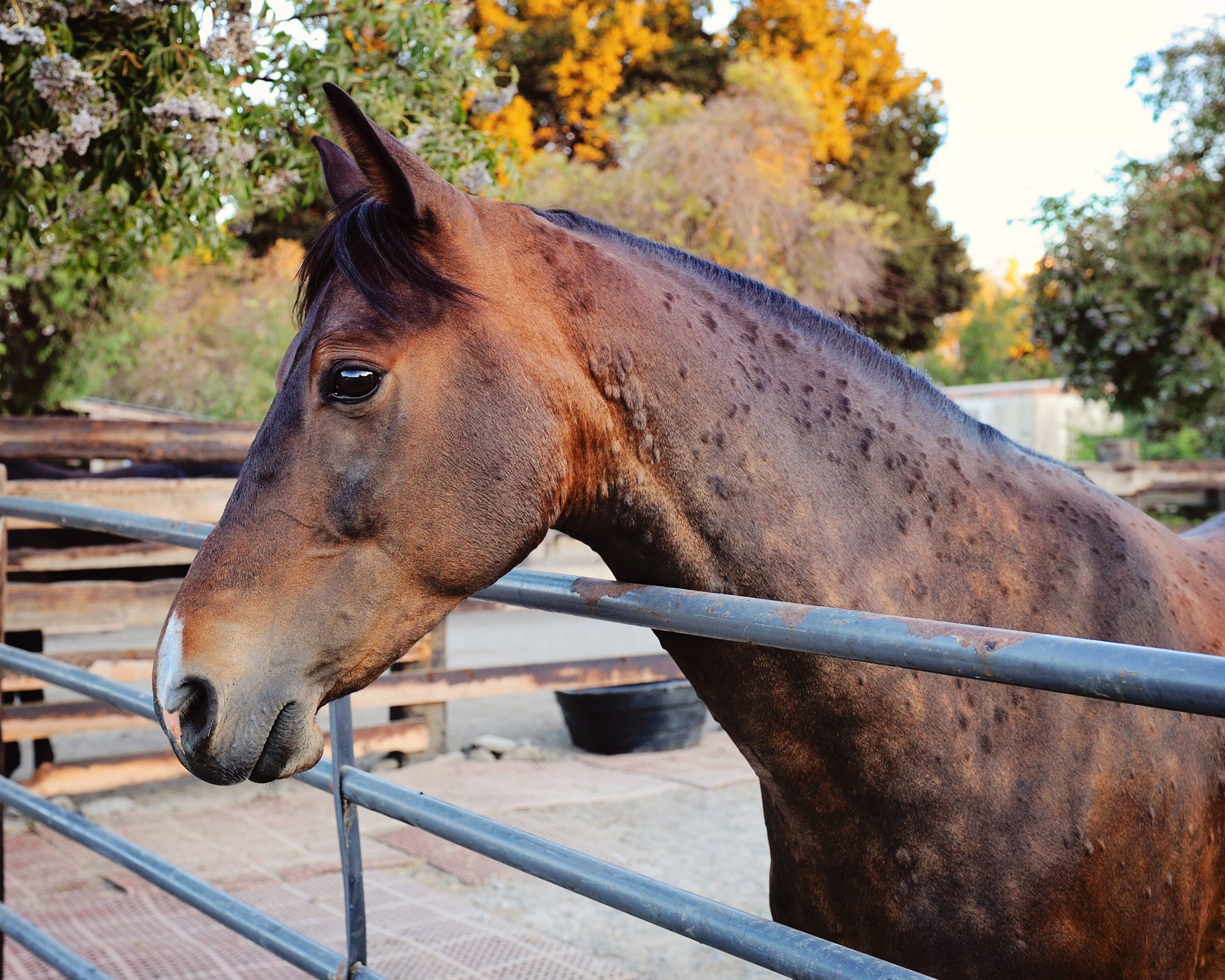
Equine Allergies - Will medication cure my horses’ allergies? Just like people, horses get allergies as well. Allergies can manifest in the skin, or lung disease known as
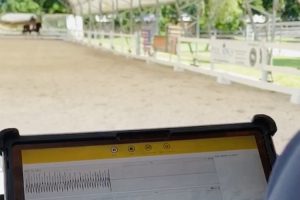
Why get a lameness evaluation by our team? - Lameness in horses can be difficult to diagnose, especially when the lameness is subtle, or located high in the limb. Often, our clients prefer to know
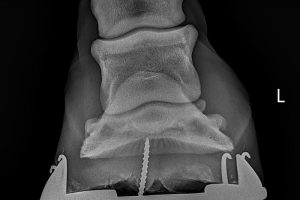
Foreign Body in Hoof - Why shouldn’t you remove a nail from a horses’ hoof before calling the vet? Sarah Birkhold B.S, DVM A nail in the hoof of a horse can be a
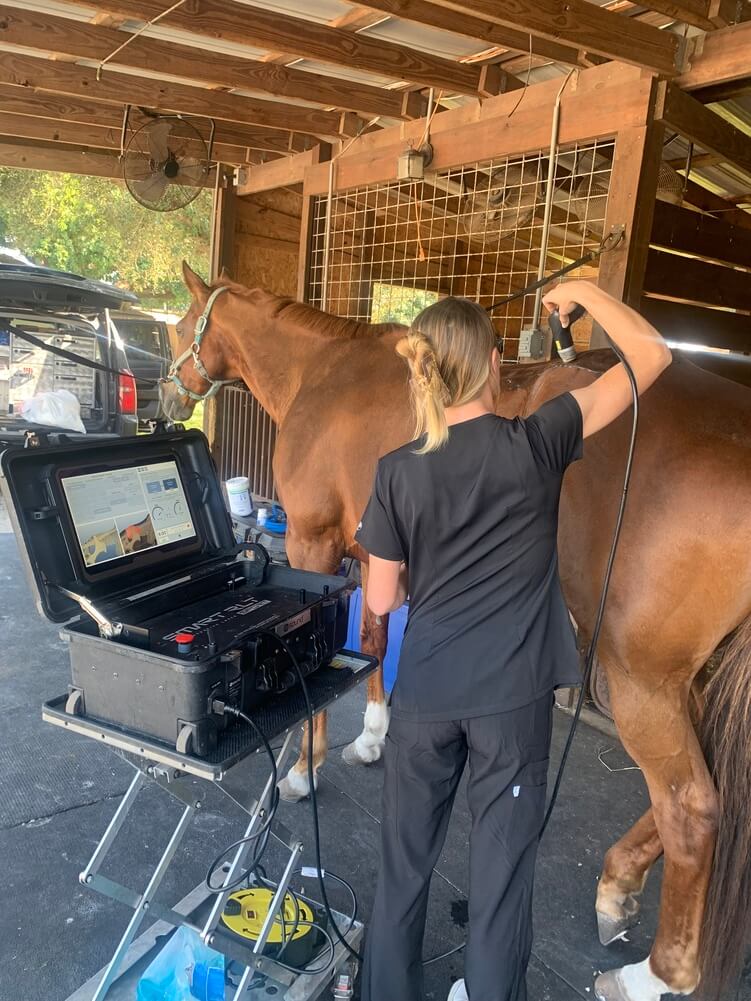
Alternatives for treating arthritis in older horses - Most geriatric horses will experience some form of pain from degenerative joint disease as they age. While there are many options available to manage
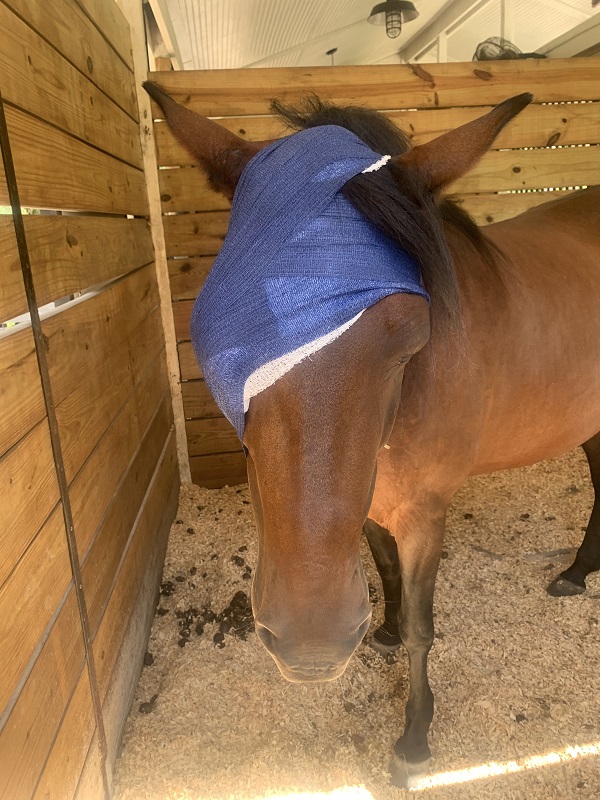
Do EYE have a problem? - My horses’ eye is tearing, is this an emergency?Tearing is the first sign of a possible corneal ulcer which requires immediate treatment. Delaying Tearing is the first sign of a possible corneal ulcer which requires immediate treatment.
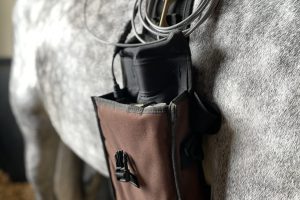
What is FES? - F.E.S. or Functional Electrical Stimulation (FES) Functional electrical stimulation (FES) is classified as a neuromuscular electrical stimulator. This
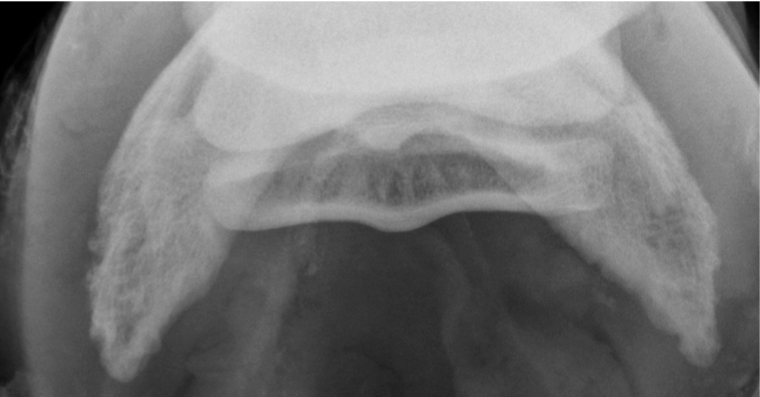
How to Treat Navicular Disease? - What is navicular disease? Navicular disease (or syndrome) is a common diagnosis in horses causing significant pain and lameness. It falls under the

Why test for worm eggs? - Most horses are exposed to worms throughout their life but high numbers of worms in the gut challenge the horses gut health, immune system, and
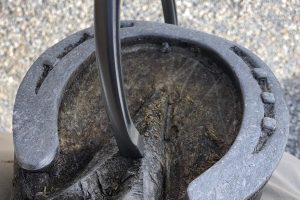
How Much Does a Lameness Exam Cost? - So How Much Does a Lameness Exam Cost? When you think your horse has a lameness issue or a sport related lameness problem, this is an important question
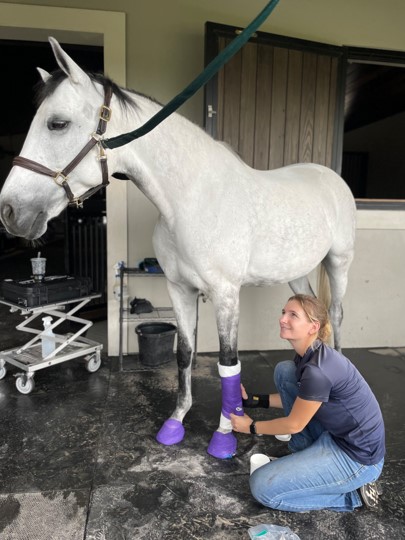
Why do horses have back pain? - There are numerous causes of back pain in horses. The cause of pain can range from saddle fit to impingement of dorsal spinous processes (kissing spines).
What to do after a joint injection - Why do we inject joints? We routinely perform joint injections to decrease pain or discomfort associated with osteoarthritis (“arthritis” or “OA”). Horses
How does shockwave work in horses? - Shockwave therapy has been used in veterinary medicine since the 1990’s as a non-invasive (extracorporeal) therapy that aids in healing of orthopedic and
How does shockwave treat suspensory ligaments? - In horses, proximal suspensory desmitis (injury) may involve just the ligament itself and/or the bone that it originates. This also applies to suspensory